Viscoelasticity and its Testing

Viscoelasticity refers to the ability of a material to exhibit both viscous and elastic behavior under deformation. Viscous behavior involves the material exhibiting resistance to deformation that gradually decreases over time, while elastic behavior involves the material returning to its original shape after deformation. Viscoelastic materials exhibit both of these behaviors simultaneously, meaning they exhibit both viscosity and elasticity.

Testing viscoelastic materials is important in order to understand their behavior under various conditions and to determine their mechanical properties. Some common tests for viscoelastic materials include:

  1. Creep testing: This involves subjecting the material to a constant load and measuring the amount of deformation over time. This test helps to determine the material’s long-term deformation behavior.
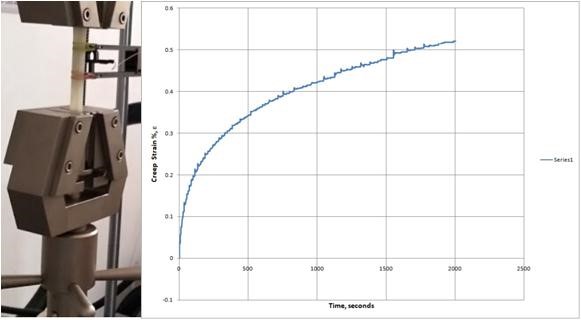
Figure 1: Creep Testing
  1. Stress Relaxation testing: This involves subjecting the material to a constant deformation and measuring the amount of stress over time. This test helps to determine the material’s long-term stress behavior.
Figure 2: Stress Relaxation Testing
  1. Dynamic mechanical analysis (DMA): This involves subjecting the material to cyclic loading and measuring its response. DMA can provide information on the material’s storage modulus, loss modulus, and damping coefficient.
Figure 3: Dynamic mechanical testing
  1. Tensile testing: This involves stretching the material until it breaks, and measuring the amount of force required to break it. Tensile testing can provide information on the material’s strength and stiffness. Tensile testing can be carried out by including cyclic effects, suitable pre-conditioning and multiple test steps.
Figure 4: Mechanical tensile testing
  1. Rheological testing: This involves subjecting the material to shear stress and measuring its response. Rheological testing can provide information on the material’s viscosity and shear modulus.
Figure 5: Melt flow index testing

Overall, these tests help to determine the viscoelastic behavior of materials, which is important in a wide range of applications, from materials science and engineering to medicine and biology.

AdvanSES is an ISO 17025:2017 accredited independent material testing laboratory. Give us a quick call to help us more on your requirements and how we can satisfy them to the best of our abilities.
Importance of Material Testing

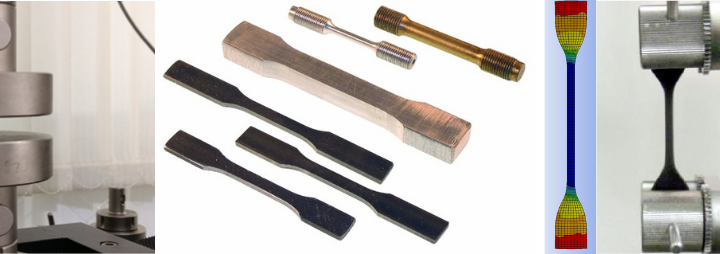
Figure 1: Static and Dynamic Testing Systems at AdvanSES

Material testing is a critical process that helps to determine the quality and properties of various materials used in the construction and manufacturing industries. At AdvanSES material testing involves subjecting the materials to different conditions, such as stress, strain, temperature, and pressure, to analyze their strength, durability, and other critical properties.

The importance of material testing cannot be overstated. It is an essential part of the design and development process, ensuring that materials used in various applications are safe, reliable, and meet the required standards. Most of our test data is used by design engineers and scientists in the aid for new product development, failure analysis and design optimization.

Here are some of the key reasons why material testing is so important:

  1. Ensures Safety.

One of the primary reasons for material testing is to ensure that the materials used in construction and manufacturing are safe for their intended use and the specified materials are received and used in product manufacturing. For example, in the construction industry, the strength and durability of building materials are tested to ensure that they can withstand the stresses and strains of the environment, such as wind, rain, and earthquakes.

Similarly, in the manufacturing industry, materials are tested to ensure that they are safe to use and do not pose any risk to consumers. For example, products such as toys, electronics, and medical devices are subjected to rigorous testing to ensure that they are safe for use.

Figure 2: Material Testing in the Aid of New Product Development, Design Optimization and Failure Analysis
  1. Ensures quality and reliability of the materials supplied to you

Material testing is also crucial in ensuring the quality of materials used in different applications. It helps to identify any defects or flaws in the material that may affect its performance, durability, or reliability.

For example, in the automotive industry, materials used in the production of vehicle parts are tested to ensure that they meet the required standards for strength, durability, and reliability. This helps to ensure that the vehicles are safe and of high quality.

  1. Enables Innovation

Material testing plays a vital role in enabling innovation in various industries. By testing new materials under different conditions, researchers and scientists can discover new properties and applications for the material, leading to new products and technologies.

For example, the development of new materials such as graphene, which has unique properties such as high strength and conductivity, would not have been possible without extensive material testing.

Figure 3: Product Testing and Evaluation to Ensure Quality and Reliability
  1. Saves Costs

Material testing helps to save costs by identifying any defects or flaws in the material early on in the development process. This enables manufacturers to make any necessary changes or improvements to the material before it is used in production, reducing the likelihood of costly recalls or repairs.

  1. Compliance with Regulations

Material testing is also essential to ensure compliance with regulations and standards in various industries. For example, the food and pharmaceutical industries must adhere to strict regulations regarding the safety and quality of their products. Material testing is an integral part of this process, ensuring that the materials used in the production of these products meet the required standards.

In conclusion, material testing is an essential process that plays a crucial role in ensuring the safety, quality, and reliability of materials used in various industries. It enables innovation, saves costs, and ensures compliance with regulations, making it an essential part of the design and development process.

AdvanSES is an ISO 17025:2017 accredited independent material testing laboratory. Give us a quick call to help us more on your requirements and how we can satisfy them to the best of our abilities.