Low Velocity Impact Testing

What is Low Velocity Impact Testing?

Low velocity impact testing (LVI) is a type of mechanical testing used to determine the impact resistance of materials and products. It is conducted by dropping a weight onto the specimen at a predetermined velocity. The impact energy is then measured, and the results are used to assess the material’s ability to withstand impact damage.

LVI is a valuable tool for a variety of industries, including automotive, aerospace, and medical. It is used to ensure that products can withstand the impact forces that they are likely to encounter during normal use. For example, LVI is used to test the impact resistance of car bumpers, aircraft windshields, and medical implants.

Types of Low Velocity Impact Testing

There are two main types of LVI: drop weight impact testing and pendulum impact testing.

  • Drop weight impact testing is the most common type of LVI. In this test, a weight is dropped onto the specimen from a predetermined height. The impact energy is then measured, and the results are used to assess the material’s impact resistance.
  • Pendulum impact testing is a less common type of LVI. In this test, a pendulum is swung at the specimen. The impact energy is then measured, and the results are used to assess the material’s impact resistance.

Standards for Low Velocity Impact Testing

There are a number of standards that govern LVI. Some of the most common standards include:

  • ASTM D7136: Standard Test Method for Low-Velocity Impact Resistance of Plastics and Composites by Drop Weight
  • ASTM D256: Standard Test Method for Impact Resistance of Plastics and Electrical Insulating Materials by Izod Method
  • ASTM D6110: Standard Test Method for Impact Resistance of Plastics and Other Materials by Charpy Method
  • ISO 6603: Determination of puncture impact behaviour of rigid plastics
Impact Fixturing as per ASTM 7136 and ISO 6603

Applications of Low Velocity Impact Testing

LVI is used in a wide variety of applications, including:

  • Automotive: LVI is used to test the impact resistance of car bumpers, windshields, and other components.
  • Aerospace: LVI is used to test the impact resistance of aircraft windshields, fuselages, and other components.
  • Medical: LVI is used to test the impact resistance of medical implants, such as hip replacements and knee replacements.
  • Consumer products: LVI is used to test the impact resistance of consumer products, such as cell phones, laptops, and televisions.

Advantages and Disadvantages of Low Velocity Impact Testing

LVI has a number of advantages, including:

  • It is a relatively simple and cost-effective test method.
  • It can be used to test a wide variety of materials and products.
  • The results of LVI can be used to improve the design and performance of materials and products.

However, LVI also has some disadvantages, including:

  • It cannot be used to test materials that are sensitive to high temperatures.
  • It cannot be used to test materials that are sensitive to dynamic loading.
  • The results of LVI may not be representative of the actual impact performance of a material or product.

Conclusion

LVI is a valuable tool for assessing the impact resistance of materials and products. It is a simple, cost-effective test method that can be used to test a wide variety of materials and products. The results of LVI can be used to improve the design and performance of materials and products.

To learn more about low velocity impact testing, please visit our website or contact us today.

Low Velocity Impact Testing ASTM D7136

The importance of understanding the response of structural composites to impact events cannot be emphasized enough. Low velocity impact occurs at velocities below 10 m/s and is likely to cause some dents and visible damage on the surface due to matrix cracking and fibre breaking, as well as delamination of the material. In some materials, impact tests characterize the face sheet quality and if they are suitable for the application.

AdvanSES offers testing capabilities for testing as per ASTM D7136 (Drop Weight Impact), ASTM D256 (Izod Impact Test), ASTM D6110 (Charpy Impact Test) wherein the damage resistance of these materials and products can be studied. Low Velocity Impact Testing forms one of our core range of services for material and product testing.

Discover more at http://www.advanses.com

#cae #hyperelastic #ansys #abaqus #mscsoftware #lsdyna #automotive #fea #fsi #polymers #rubbers #composites #materialstesting #mscmarc #tirefea #tire #materials #elastomers #engineeringservices #characterization #suspension #isolation #engines #vehiclesuspension #vibration #testing #testingservices

Low Velocity Impact Testing @ AdvanSES

Hyperelastic Viscoelastic Testing of Rocket Propellants

Hyperelastic viscoelastic testing of rocket propellants. Solid propellant is the power source of a solid rocket motor. The mechanical properties of a solid rocket motor directly affect the load carrying capacity of a rocket. AdvanSES can provide multiaxial mechanical property characterization of these solid rocket propellants based on hyperelastic and viscoelastic tests.

AdvanSES’ hyperelastic and viscoelastic material characterization tests for solid rocket propellant materials include;


1) Uniaxial Tension Tests
2) Uniaxial Compression Tests
3) Planar Shear Tests
5) Biaxial Tension Tests
6) Volumetric Compression Tests
7) Stress Relaxation Tests
8) Dynamic Mechanical Characterization using Strain and Frequency Sweep Tests

Fatigue Testing of Rubber Parts and Components

High Cycle Fatigue HCF Testing

Rubber components are widely used in automotive, aerospace and biomedical industries due to their unique properties, including elasticity, durability, and resistance to harsh environments. However, like any other material, rubber components can fail over time due to various factors, including fatigue. Fatigue Testing of rubber parts and components is an essential tool in determining the life expectancy of rubber components, and it plays a critical role in ensuring the reliability and safety of these components.

What is Fatigue Testing?

Fatigue Testing of Rubber Parts and Components at AdvanSES

Fatigue testing is a process of subjecting a material to repeated loading and unloading cycles to simulate the stresses and strains that the material would undergo during its service life. In the case of of fatigue testing of rubber parts and components, testing involves subjecting the component to repeated deformation cycles until failure occurs.

Types of Fatigue Testing

There are two types of fatigue testing commonly used for rubber components: tension-compression fatigue testing and flexural fatigue testing.

Tension-compression fatigue testing involves subjecting a rubber component to repeated tension and compression cycles, which simulate the stresses that the component would undergo during its service life. This type of testing is commonly used for components that experience tensile and compressive loads, such as gaskets and seals.

Flexural fatigue testing involves subjecting a rubber component to repeated bending cycles, which simulate the stresses that the component would undergo during its service life. This type of testing is commonly used for components that experience bending loads, such as rubber hoses and conveyor belts.

Factors Affecting Fatigue Testing of Rubber Parts and Components

There are several factors that can affect fatigue testing of rubber components, including:

  1. Temperature: Temperature can significantly affect the fatigue life of rubber components. High temperatures can accelerate the aging process and reduce the fatigue life of the component.
  2. Strain amplitude: The magnitude of the strain applied during the fatigue testing can affect the fatigue life of the component. Higher strain amplitudes can lead to shorter fatigue lives.
  3. Frequency: The frequency of the applied load can also affect the fatigue life of the component. Higher frequencies can lead to shorter fatigue lives.
  4. Material properties: The material properties of the rubber component, such as stiffness and hardness, can also affect its fatigue life.

Conclusion

Fatigue testing is an essential tool in determining the life expectancy of rubber components. By subjecting rubber components to repeated loading and unloading cycles, fatigue testing can simulate the stresses and strains that the component would undergo during its service life. This type of testing plays a critical role in ensuring the reliability and safety of rubber components used in various industries.

Plastic Material Testing: Ensuring Quality and Safety

AdvanSES Testing Laboratory

Plastic Material Testing: Ensuring Quality and Safety

Plastic materials have become an integral part of our lives, from the packaging of our daily essentials to the construction of our homes and buildings. However, the use of plastics has also raised concerns about their impact on the environment and human health. Therefore, it is essential to test plastic materials to ensure their quality and safety. At AdvanSES plastic material testing is carried out under the strict and rigorous quality control as per ISO 17025:2017 testing conditions.

Plastic material testing involves analyzing the physical, chemical, and mechanical properties of plastic materials. These tests provide valuable information about the durability, strength, and chemical resistance of plastics, which are critical factors in determining their suitability for specific applications.

Types of Plastic Material Testing

Fatigue Testing at AdvanSES

There are various types of plastic material testing, each serving a specific purpose. The most common types of tests include:

  1. Tensile Testing: This test measures the strength of plastic materials under tension, providing valuable information about their mechanical properties.
  • Impact Testing: This test evaluates the ability of plastic materials to withstand sudden impact, which is critical in applications such as packaging and transportation.
  • Fatigue Testing: This test evaluates the ability of plastic materials to withstand long term service loads, the mechanical service life of the materials and parts can be predicted from fatigue testing.
  • Thermal Analysis: This test measures the thermal properties of plastic materials, such as their melting and crystallization behavior.
  • Chemical Resistance Testing: This test evaluates the resistance of plastic materials to various chemicals, providing important information about their suitability for use in specific environments.
  • Flammability Testing: This test evaluates the ability of plastic materials to resist ignition and combustion, providing critical information for applications such as building construction.

At AdvanSES, we provide plastic and composite material testing under all the above mentioned parameters, you can be worry free about our test data and results as we are ISO 17025:2017 accredited.

Benefits of Plastic Material Testing

Plastic material testing offers numerous benefits, including:

  • Quality Control: Plastic material testing helps to ensure that plastic materials meet quality standards, reducing the risk of product failure and liability.
  • Cost Savings: By identifying potential defects or weaknesses in plastic materials early on, testing can help to reduce production costs and minimize waste.
  • Safety: Plastic material testing ensures that plastic materials are safe for use in specific applications, protecting both consumers and the environment.

    We can provide a quick quote for your plastic and composite material testing needs within a business day, try giving us a call or email and we would be happy to assist with any of your testing needs.

Conclusion

Plastic material testing plays a critical role in ensuring the quality and safety of plastic materials. By analyzing their physical, chemical, and mechanical properties, testing provides valuable information about their suitability for specific applications. By optimizing this blog post for search engines, we can ensure that this important information reaches a wider audience, promoting greater awareness of the importance of plastic material testing.

Viscoelasticity and its Testing

Viscoelasticity refers to the ability of a material to exhibit both viscous and elastic behavior under deformation. Viscous behavior involves the material exhibiting resistance to deformation that gradually decreases over time, while elastic behavior involves the material returning to its original shape after deformation. Viscoelastic materials exhibit both of these behaviors simultaneously, meaning they exhibit both viscosity and elasticity.

Testing viscoelastic materials is important in order to understand their behavior under various conditions and to determine their mechanical properties. Some common tests for viscoelastic materials include:

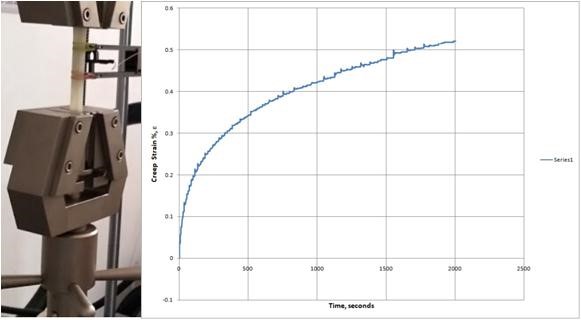
  1. Creep testing: This involves subjecting the material to a constant load and measuring the amount of deformation over time. This test helps to determine the material’s long-term deformation behavior.
Figure 1: Creep Testing
  1. Stress Relaxation testing: This involves subjecting the material to a constant deformation and measuring the amount of stress over time. This test helps to determine the material’s long-term stress behavior.
Figure 2: Stress Relaxation Testing
  1. Dynamic mechanical analysis (DMA): This involves subjecting the material to cyclic loading and measuring its response. DMA can provide information on the material’s storage modulus, loss modulus, and damping coefficient.
Figure 3: Dynamic mechanical testing
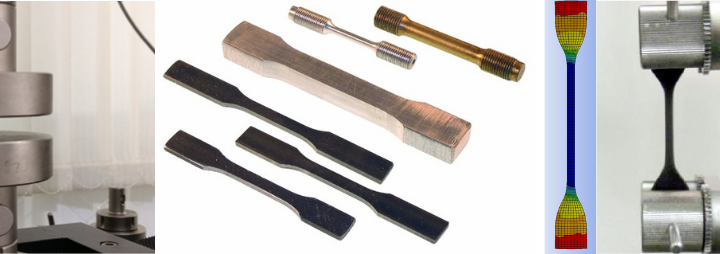
  1. Tensile testing: This involves stretching the material until it breaks, and measuring the amount of force required to break it. Tensile testing can provide information on the material’s strength and stiffness. Tensile testing can be carried out by including cyclic effects, suitable pre-conditioning and multiple test steps.
Figure 4: Mechanical tensile testing
  1. Rheological testing: This involves subjecting the material to shear stress and measuring its response. Rheological testing can provide information on the material’s viscosity and shear modulus.
Figure 5: Melt flow index testing

Overall, these tests help to determine the viscoelastic behavior of materials, which is important in a wide range of applications, from materials science and engineering to medicine and biology.

AdvanSES is an ISO 17025:2017 accredited independent material testing laboratory. Give us a quick call to help us more on your requirements and how we can satisfy them to the best of our abilities.

Importance of Material Testing

Figure 1: Static and Dynamic Testing Systems at AdvanSES

Material testing is a critical process that helps to determine the quality and properties of various materials used in the construction and manufacturing industries. At AdvanSES material testing involves subjecting the materials to different conditions, such as stress, strain, temperature, and pressure, to analyze their strength, durability, and other critical properties.

The importance of material testing cannot be overstated. It is an essential part of the design and development process, ensuring that materials used in various applications are safe, reliable, and meet the required standards. Most of our test data is used by design engineers and scientists in the aid for new product development, failure analysis and design optimization.

Here are some of the key reasons why material testing is so important:

  1. Ensures Safety.

One of the primary reasons for material testing is to ensure that the materials used in construction and manufacturing are safe for their intended use and the specified materials are received and used in product manufacturing. For example, in the construction industry, the strength and durability of building materials are tested to ensure that they can withstand the stresses and strains of the environment, such as wind, rain, and earthquakes.

Similarly, in the manufacturing industry, materials are tested to ensure that they are safe to use and do not pose any risk to consumers. For example, products such as toys, electronics, and medical devices are subjected to rigorous testing to ensure that they are safe for use.

Figure 2: Material Testing in the Aid of New Product Development, Design Optimization and Failure Analysis
  1. Ensures quality and reliability of the materials supplied to you

Material testing is also crucial in ensuring the quality of materials used in different applications. It helps to identify any defects or flaws in the material that may affect its performance, durability, or reliability.

For example, in the automotive industry, materials used in the production of vehicle parts are tested to ensure that they meet the required standards for strength, durability, and reliability. This helps to ensure that the vehicles are safe and of high quality.

  1. Enables Innovation

Material testing plays a vital role in enabling innovation in various industries. By testing new materials under different conditions, researchers and scientists can discover new properties and applications for the material, leading to new products and technologies.

For example, the development of new materials such as graphene, which has unique properties such as high strength and conductivity, would not have been possible without extensive material testing.

Figure 3: Product Testing and Evaluation to Ensure Quality and Reliability
  1. Saves Costs

Material testing helps to save costs by identifying any defects or flaws in the material early on in the development process. This enables manufacturers to make any necessary changes or improvements to the material before it is used in production, reducing the likelihood of costly recalls or repairs.

  1. Compliance with Regulations

Material testing is also essential to ensure compliance with regulations and standards in various industries. For example, the food and pharmaceutical industries must adhere to strict regulations regarding the safety and quality of their products. Material testing is an integral part of this process, ensuring that the materials used in the production of these products meet the required standards.

In conclusion, material testing is an essential process that plays a crucial role in ensuring the safety, quality, and reliability of materials used in various industries. It enables innovation, saves costs, and ensures compliance with regulations, making it an essential part of the design and development process.

AdvanSES is an ISO 17025:2017 accredited independent material testing laboratory. Give us a quick call to help us more on your requirements and how we can satisfy them to the best of our abilities.

Drop-Weight Impact Testing & Finite Element Analysis

Drop-weight impact testing is a type of mechanical testing used to simulate the mechanical effects of impact, such as shock or vibration. It usually involves dropping a weight onto a material or specimen to measure how it reacts. It can be used to test the strength, ductility, and fracture toughness of a material or specimen. Impact testing of composite materials is important to understand the behavior of a material when subjected to an impact force. Different impact tests can be used to measure the capacity of a material to absorb energy, such as Charpy, Izod, and drop weight tests. Depending on the application, the test method should be selected carefully to simulate the expected conditions.

Low velocity impact testing is a type of test that uses a low speed, low energy impact to assess the performance of a material or structure. This test can be used to identify weaknesses in a material or product that could cause it to fail in the event of an accident or other unexpected force. High velocity impact testing is a much more rigorous test that uses a much higher speed, higher energy impact to determine the effects of a much more extreme force. This type of test is most commonly used to evaluate the performance of materials and structures in high-impact scenarios, such as a crash or explosion in different applications, such as aerospace, automotive, and consumer products. The results of the testing can help to determine the best material or component design for a specific application.

Constitutive modeling is a powerful tool for predicting the impact properties of composites. It can be used to simulate the behavior of materials under various loading conditions, such as shock and impact. The key to successful modeling lies in the accurate characterization of the physical and mechanical properties of the material, as well as its microstructural features. It’s also important to consider the loading history of the material and the type of loading it will be subjected to. Computer simulations and finite element analysis can be used to understand the behavior of the material under different impact conditions using accurate material models developed from constitutive modeling of composite materials.

Abaqus and LS-Dyna are powerful simulation tools that can be used to model various types of impacts at low velocities. These softwares offer a wide range of contact options and constitutive material models which can be used to accurately simulate the behavior of the material during the impact. Additionally, the softwares provide an interface for adjusting the properties of the materials and the environment of the impact (such as air resistance, friction, etc.), allowing you to create an accurate representation of the impact. If you would like more information about how to use LS-Dyna for low velocity impact modeling, please feel free to reach out to us and we would be more than happy to help!

Mechanical Testing of Polymers, Composites and 3D-Printed Materials

At AdvanSES, we provide mechanical testing of polymers, composites and 3D-printed materials. Our scope is

1) Mechanical Testing of Polymers, Metals and Composite Materials
2) Fatigue and Durability Testing
3) Dynamic Mechanical Analysis (DMA) of Materials and Components
4) Hyperelastic, Viscoelastic Material Testing
5) Data Cards for Input into FEA, CAE softwares
6) FEA Services
7) Custom Tests, NI Labview DAQ

Discover more at http://www.advanses.com

At AdvanSES, we provide a full 360 degree static and dynamic characterization of your materials, parts and components. We measure the tension, compression, shear, vibration and dynamic properties of individual components and sub assemblies in accordance to international standards.

Melt Flow Index Testing

The Melt Flow Index (MFI) is a measure of the ease of flow of the melt of a thermoplastic polymer. A higher MFI value indicates a lower material viscosity, and when comparing polymer materials of the same class and grades, a lower melt flow MFI rate indicates a higher molecular weight that maybe with or without less branching links. Melt flow rate is a measure of the ability of the polymer material to flow under pressure and temperature. Molecular weight provides performance in polymeric materials, the higher the molecular weight, the better the performance. MFI can be used as an important parameter for quality certification and batch to batch quality comparison.

Contact us at [email protected] for your testing needs.

Melt Flow Index Testing at AdvanSES