Engineering Testing of Plastics

Navigating the Frontiers: Engineering Testing of Plastics Unveiled

Engineering Testing of Plastics Unveiled

Introduction:

In the dynamic realm of engineering, where innovation drives progress, the meticulous engineering testing of plastics materials is a cornerstone. Plastics, versatile and ubiquitous, undergo rigorous engineering testing to ensure their reliability, durability, and suitability for diverse applications. In this blog post, we’ll explore the intricacies of engineering testing for plastics, shedding light on the pivotal tests that shape the quality and performance of these materials.

The Engineering Crucible: Why Plastics Testing Matters

Plastics are the backbone of countless engineering applications, from automotive components to medical devices. The success of these applications hinges on the performance and resilience of plastic materials. Engineering testing of plastics becomes imperative to ascertain their mechanical, thermal, and chemical properties, ensuring they meet the stringent standards set by the industry.

Key Engineering Tests for Plastics:

  1. Mechanical Testing:
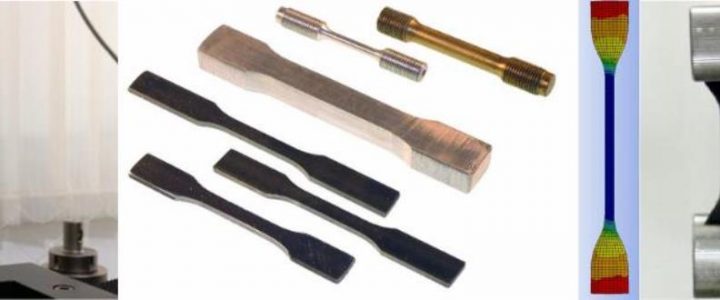
    • Tensile testing assesses a material’s ability to withstand axial loads, providing insights into tensile strength and elongation.
    • Keywords: plastic tensile testing, material strength, ASTM D638.
  2. Thermal Analysis:
    • Differential Scanning Calorimetry (DSC) and Thermogravimetric Analysis (TGA) evaluate a plastic’s thermal behavior, including melting points and decomposition temperatures.
    • Keywords: plastic thermal analysis, DSC testing, TGA analysis.
  3. Chemical Resistance Testing:
    • Plastics encounter various chemicals in their applications, and chemical resistance testing ensures they can withstand exposure without degradation.
    • Keywords: plastic chemical resistance, corrosion testing, ASTM D543.
  4. Environmental Stress Cracking Resistance:
    • Measures a plastic’s resistance to cracking when exposed to specific environments, helping predict long-term durability.
    • Keywords: plastic stress cracking, ESC testing, ASTM D1693.
  5. Flammability Testing:
    • Evaluates a material’s response to fire, crucial for applications where fire safety is paramount.
    • Keywords: plastic flammability testing, UL 94, fire resistance.

1.1 Unveiling Strength: A Deep Dive into Mechanical Testing of Plastics

Introduction:

Plastics, the unsung heroes of modern engineering, play a pivotal role in diverse applications. From automotive components to consumer goods, the mechanical strength of plastics is a critical factor in their performance. In this blog post, we embark on a journey into the world of mechanical testing for plastics, unraveling the key tests that ensure these materials can withstand the rigors of real-world applications.

The Essence of Mechanical Testing:

Mechanical testing of plastics is a comprehensive evaluation of their ability to withstand external forces, ensuring they meet the required strength, flexibility, and durability standards. This process is integral to the manufacturing of plastic products, as it provides valuable insights into the materials’ behavior under various stresses and strains.

Key Mechanical Tests for Plastics:

  1. Tensile Testing:
    • Measures the material’s resistance to a force pulling it apart.
    • Keywords: plastic tensile strength, material elongation, ASTM D638.
  2. Flexural Testing:
    • Evaluates a material’s ability to bend without breaking.
    • Keywords: plastic flexural strength, modulus of elasticity, ASTM D790.
  3. Impact Testing:
    • Determines a material’s ability to absorb energy during sudden impact.
    • Keywords: plastic impact resistance, Izod test, ASTM D256.
  4. Hardness Testing:
    • Measures a material’s resistance to indentation.
    • Keywords: plastic hardness, Shore hardness, Rockwell hardness.
  5. Fatigue Testing:
    • Assesses a material’s resistance to repeated loading and unloading cycles.
    • Keywords: plastic fatigue testing, cyclic loading, ASTM D3479.

2.1 Unmasking the Heat: A Comprehensive Guide to Thermal Analysis of Plastics

Introduction:

Plastics, omnipresent in our daily lives, face a myriad of challenges, one of the most critical being their response to heat. Thermal analysis of plastics is a sophisticated process that unveils the intricate details of how these materials react to temperature variations. In this blog post, we embark on a journey into the realm of thermal analysis, deciphering the key tests that shed light on the thermal behavior of plastics and their applications.

Melt Flow Index Testing of Thermoplastic Materials

The Crucial Role of Thermal Analysis:

Thermal analysis is a cornerstone in understanding how plastics respond to temperature changes, helping manufacturers engineer materials that can withstand the diverse thermal challenges they may encounter. Whether it’s in the automotive industry, electronics, or packaging, a thorough understanding of a plastic’s thermal properties is essential for ensuring product reliability and performance.

Key Thermal Tests for Plastics:

  1. Differential Scanning Calorimetry (DSC):
    • Measures the heat absorbed or released during changes in a plastic’s physical state, such as melting or crystallization.
    • Keywords: plastic DSC analysis, thermal transitions, polymer melting point.
  2. Thermogravimetric Analysis (TGA):
    • Determines the weight loss of a plastic as it is heated, providing insights into its thermal stability and decomposition temperatures.
    • Keywords: plastic TGA analysis, thermal degradation, weight loss kinetics.
  3. Dynamic Mechanical Analysis (DMA):
    • Evaluates a plastic’s mechanical properties, such as stiffness and damping, as a function of temperature.
    • Keywords: plastic DMA testing, viscoelastic properties, temperature-dependent modulus.
  4. Thermal Conductivity Testing:
    • Measures a plastic’s ability to conduct heat, crucial for applications where thermal insulation or conductivity is a key factor.
    • Keywords: plastic thermal conductivity, ASTM E1952, thermal insulation.
  5. Oxidative Induction Time (OIT) Testing:
    • Assesses a plastic’s resistance to oxidative degradation at elevated temperatures.
    • Keywords: plastic OIT testing, oxidative stability, polymer aging.

3.1 Safeguarding Integrity: A Deep Dive into Chemical Resistance Testing of Plastics

Introduction:

Plastics, omnipresent in our daily lives, often encounter a variety of chemical substances, from household cleaners to industrial solvents. Ensuring the chemical resistance of plastics is crucial to their performance and longevity. In this blog post, we embark on an exploration of chemical resistance testing, unraveling its importance, key methodologies, and how it safeguards the integrity of plastic materials in diverse applications.

The Importance of Chemical Resistance Testing:

Chemical resistance testing is a critical aspect of material evaluation, particularly for plastics. It involves assessing a plastic’s ability to withstand exposure to various chemicals without undergoing degradation, swelling, or other undesirable changes. Whether used in the pharmaceutical industry, automotive applications, or as packaging materials, understanding chemical resistance is essential for ensuring the reliability and safety of plastic products.

Key Chemical Resistance Tests for Plastics:

  1. Immersion Testing:
    • Involves exposing plastic specimens to specific chemicals for a predetermined period and evaluating changes in weight, dimensions, or appearance.
    • Keywords: plastic immersion testing, chemical exposure test, ASTM D543.
  2. Spot Testing:
    • Applies a small amount of a chemical directly to the plastic surface to observe immediate reactions, providing quick insights into compatibility.
    • Keywords: plastic spot testing, chemical compatibility, quick chemical resistance assessment.
  3. Permeation Testing:
    • Measures the rate at which a chemical permeates through a plastic material, crucial for applications requiring barrier properties.
    • Keywords: plastic permeation testing, barrier material evaluation, ASTM F739.
  4. Elongation at Break Testing:
    • Assesses changes in a plastic’s elongation properties after exposure to chemicals, providing insights into its flexibility and resilience.
    • Keywords: plastic elongation at break, chemical impact on flexibility, ASTM D638.
  5. Volume Swell Testing:
    • Measures the change in volume of a plastic specimen after exposure to chemicals, indicating the extent of swelling or contraction.
    • Keywords: plastic volume swell test, dimensional changes, ASTM D471.
    •  

4.1 Cracking the Code: A Comprehensive Guide to Environmental Stress Cracking Resistance of Plastics

Introduction:

Plastics, ubiquitous in our daily lives, face a unique challenge known as environmental stress cracking (ESC). This phenomenon can compromise the structural integrity of plastic materials when exposed to certain environments and stressors. In this blog post, we delve into the intricacies of Environmental Stress Cracking Resistance (ESCR) testing, exploring its significance, methodologies, and how it safeguards plastics from premature failure in real-world applications.

Understanding Environmental Stress Cracking:

Environmental stress cracking is a process in which a plastic material experiences cracking or crazing when subjected to specific environmental conditions, such as chemical exposure or mechanical stress. This can lead to a significant reduction in the mechanical properties of the plastic and, ultimately, product failure. ESCR testing is designed to assess a material’s resistance to this detrimental phenomenon.

Key Environmental Stress Cracking Resistance Tests for Plastics:

  1. ASTM D1693 – Bent Strip Method:
    • Involves subjecting a bent plastic strip to a chemical environment, assessing the material’s susceptibility to cracking over time.
    • Keywords: plastic environmental stress cracking, ESCR testing, ASTM D1693.
  2. ASTM F2136 – Constant Tensile Load Test:
    • Applies a constant tensile load to a notched plastic specimen immersed in a chemical solution, evaluating the time to failure.
    • Keywords: plastic constant tensile load test, ESC resistance, ASTM F2136.
  3. ASTM D5397 – Notched Constant Tensile Load Test:
    • Similar to the constant tensile load test but introduces a notch to the specimen to accelerate the cracking process.
    • Keywords: plastic notched constant tensile load, accelerated ESC testing, ASTM D5397.
  4. ASTM D2561 – Ball Burst Test:
    • Determines the resistance of plastic sheets to environmental stress cracking by applying internal pressure.
    • Keywords: plastic ball burst test, ESC resistance of plastic sheets, ASTM D2561.
  5. ASTM D7192 – High-Speed Puncture Properties:
    • Assesses a plastic’s resistance to puncture under stress, simulating real-world conditions.
    • Keywords: plastic high-speed puncture test, ESC resistance assessment, ASTM D7192.

5.1 Igniting Safety: A Definitive Guide to Flammability Testing of Plastics

Introduction:

Plastics, omnipresent in our modern world, are subjected to various conditions that include the risk of combustion. Flammability testing of plastics is a critical step in ensuring the safety and compliance of materials used in different applications. In this blog post, we explore the importance of flammability testing, key methodologies, and how it contributes to creating fire-resistant plastic products.

The Significance of Flammability Testing:

Flammability testing is a fundamental aspect of material safety assessment, especially for plastics used in industries such as construction, electronics, and transportation. This testing ensures that plastic materials meet specific fire safety standards, reducing the risk of fire-related incidents and enhancing overall product safety.

Wire Insulation Flammability Testing

Key Flammability Tests for Plastics:

  1. UL 94 – Standard for Safety of Flammability of Plastic Materials:
    • Classifies materials based on their performance in various fire tests, including vertical and horizontal burning tests.
    • Keywords: plastic flammability testing, UL 94 classification, fire safety standards.
  2. ASTM D635 – Standard Test Method for Rate of Burning and/or Extent and Time of Burning of Plastics in a Horizontal Position:
    • Evaluates the burning characteristics of plastics in a horizontal position, measuring burn rate and extent.
    • Keywords: plastic burning rate test, ASTM D635, horizontal burning test.
  3. ISO 9772 – Plastics — Determination of Burning Behaviour by Oxygen Index:
    • Determines the minimum concentration of oxygen that supports the combustion of a plastic material.
    • Keywords: plastic oxygen index, ISO 9772, combustion behavior assessment.
  4. ASTM E1354 – Cone Calorimeter Test:
    • Measures the heat release rate, smoke production rate, and other fire-related parameters under controlled conditions.
    • Keywords: plastic cone calorimeter test, fire performance evaluation, ASTM E1354.
  5. FMVSS 302 – Flammability of Interior Materials:
    • A standard set by the U.S. Federal Motor Vehicle Safety Standards (FMVSS) to assess the flammability of materials used in vehicle interiors.
    • Keywords: plastic flammability in vehicles, FMVSS 302 compliance, automotive safety standards.

Discover more at http://www.advanses.com

At AdvanSES, we provide a full 360 degree static and dynamic characterization of your materials, parts and components. We measure the tension, compression, shear, vibration and dynamic properties of individual components and sub assemblies in accordance to international standards.

More information at https://www.advanses.com

Mechanical Testing of Automotive, Railways, Aerospace components

Installation of mechanical testing structural load frame for carrying out testing high capacity load bearing components. Frames are now available for comprehensive engineering validation of automotive, railways, aerospace components and structures made from polymers, metallic and composite materials.

We can now test and break products and materials from 5N to 500KN.

Discover more at http://www.advanses.com

At AdvanSES, we provide a full 360 degree static and dynamic characterization of your materials, parts and components. We measure the tension, compression, shear, vibration and dynamic properties of individual components and sub assemblies in accordance to international standards.

More information at https://www.advanses.com

Installation of mechanical testing structural load frame for carrying out testing high capacity load bearing components

A Biaxial Test Frame to Aid in Formulation of High-Fidelity Constitutive Models of Rubber Materials

Biaxial tensile testing is a complex, non-traditional but highly accurate testing technique for mechanical characterization of engineering materials. Typical materials tested in biaxial tension are metal sheets, fiber reinforced thermoplastics, thermosets, rubbers and tissues. One of the main reasons that motivates use of biaxial testing is studying the mechanical response for materials to different combinations and rates of stress-strain states, leading to development of constitutive laws that model the underlying materials more accurately. Better quality of constitutive laws provide greater insights into material performance, degradation and failure.

Worldwide many test specifications have been developed for standardized tests on rubber in uniaxial tension, compression, shear and also frequency and strain sweep based dynamic and fatigue tests. However no specific standard or protocol has been developed for biaxial testing of rubber and polymeric thin films. Biaxial tension testing has been traditionally done for metals and composite samples but there are high complexities in carrying out for rubber and thin film material samples. Due to differences in the operating range of the materials, the difference in the nature of applicable loads, and resulting stresses and strains, there have been very few test rigs for specialized biaxial testing of rubbers and thin films. Biaxial test rigs whether in the commercial or academic domain are often customized to serve for specific target materials and their test conditions. Apart from biaxial test rigs, fixtures that provide biaxial deformation and designed to be used on a single axis universal testing machines have also been developed and used.  

Four (4) types of tests can be carried out in the test rig;

  1. Single Stretch.
  2. Multiple Cyclic Loading.
  3. Single Stretch followed by Stress Relaxation Step.
  4. Multiple Cyclic with Stress Relaxation Steps.
Figure 1: AdvanSES Biaxial Loading Test Frame

Heat Deflection Testing of Plastics: Ensuring Material Quality, Reliability and Performance

Introduction:

Plastics are ubiquitous in our daily lives, used in a wide range of applications due to their versatility, durability, and cost-effectiveness. However, when exposed to elevated temperatures, some plastics may deform or lose their structural integrity, compromising their functionality and safety. This is where heat deflection testing plays a crucial role in assessing a plastic material’s ability to withstand heat and maintain its shape under load. In this blog post, we will delve into the importance of heat deflection testing for plastics and explore its significance in ensuring material reliability and performance.

Are you curious about the performance of plastics under high temperatures? Discover the significance of heat deflection testing for plastics, ensuring their reliability and performance in various applications.

Understanding Heat Deflection Testing:

Heat deflection testing, also known as heat distortion testing or HDT, is a standardized method used to evaluate a plastic material’s ability to resist deformation under load at elevated temperatures. It determines the heat deflection temperature (HDT) or the temperature at which a specific deformation or deflection occurs in the plastic specimen. This testing method helps manufacturers and engineers select the most suitable plastic materials for applications involving high temperatures.

AdvanSES VST HDT Apparatus

Importance of Heat Deflection Testing:

2.1. Ensuring Material Reliability:

Heat deflection testing provides vital insights into a plastic material’s ability to maintain its structural integrity when exposed to elevated temperatures. By subjecting plastics to controlled heating and measuring their deformation under load, manufacturers can identify materials that can withstand the intended operating conditions without significant deformation or failure. This ensures that the final products will perform reliably and maintain their shape, avoiding costly failures or safety hazards.

2.2. Performance Optimization:

Different plastics exhibit varying thermal properties, including their response to temperature changes. Heat deflection testing helps engineers optimize material selection for specific applications where exposure to heat is a concern. By comparing HDT values of different plastics, manufacturers can choose materials with higher HDT values that can withstand higher temperatures, resulting in improved product performance and longevity.

 Conducting Heat Deflection Testing:

3.1. Standards and Test Methods:

Heat deflection testing follows established standards such as ASTM D648 (Standard Test Method for Deflection Temperature of Plastics Under Flexural Load in the Edgewise Position) and ISO 75 (Plastics—Determination of Temperature of Deflection Under Load). These standards provide specific guidelines for test specimen preparation, loading conditions, and temperature ramp rates, ensuring consistent and comparable results across different laboratories.

3.2. Test Equipment:

Heat deflection testing requires specialized equipment, typically including a testing machine capable of applying a load on the plastic specimen and a heating chamber or furnace to control the temperature. The test machine measures the deflection of the specimen while it is subjected to a specified load at increasing temperatures until a predefined deflection value is reached.

Applications of Heat Deflection Testing:

Heat deflection testing is essential in numerous industries where plastics are used in high-temperature environments. Some key applications include automotive components, electrical enclosures, consumer electronics, aerospace parts, and industrial equipment. By subjecting plastic materials to rigorous heat deflection testing, manufacturers can ensure the long-term performance and reliability of their products.

Conclusion:

Heat deflection testing is a vital aspect of evaluating plastics’ performance and reliability when exposed to high temperatures. By conducting this testing, manufacturers and engineers can select appropriate materials for specific applications, optimize product performance, and minimize the risk of deformation or failure. Ultimately, heat deflection testing contributes to the overall quality, safety, and longevity of plastic-based products in various industries.

Looking to optimize plastic materials’ performance in high-temperature environments? Contact our experts today to learn how heat deflection testing can enhance the reliability and longevity of your products.

Low Velocity Impact Testing

What is Low Velocity Impact Testing?

Low velocity impact testing (LVI) is a type of mechanical testing used to determine the impact resistance of materials and products. It is conducted by dropping a weight onto the specimen at a predetermined velocity. The impact energy is then measured, and the results are used to assess the material’s ability to withstand impact damage.

LVI is a valuable tool for a variety of industries, including automotive, aerospace, and medical. It is used to ensure that products can withstand the impact forces that they are likely to encounter during normal use. For example, LVI is used to test the impact resistance of car bumpers, aircraft windshields, and medical implants.

Types of Low Velocity Impact Testing

There are two main types of LVI: drop weight impact testing and pendulum impact testing.

  • Drop weight impact testing is the most common type of LVI. In this test, a weight is dropped onto the specimen from a predetermined height. The impact energy is then measured, and the results are used to assess the material’s impact resistance.
  • Pendulum impact testing is a less common type of LVI. In this test, a pendulum is swung at the specimen. The impact energy is then measured, and the results are used to assess the material’s impact resistance.

Standards for Low Velocity Impact Testing

There are a number of standards that govern LVI. Some of the most common standards include:

  • ASTM D7136: Standard Test Method for Low-Velocity Impact Resistance of Plastics and Composites by Drop Weight
  • ASTM D256: Standard Test Method for Impact Resistance of Plastics and Electrical Insulating Materials by Izod Method
  • ASTM D6110: Standard Test Method for Impact Resistance of Plastics and Other Materials by Charpy Method
  • ISO 6603: Determination of puncture impact behaviour of rigid plastics
Impact Fixturing as per ASTM 7136 and ISO 6603

Applications of Low Velocity Impact Testing

LVI is used in a wide variety of applications, including:

  • Automotive: LVI is used to test the impact resistance of car bumpers, windshields, and other components.
  • Aerospace: LVI is used to test the impact resistance of aircraft windshields, fuselages, and other components.
  • Medical: LVI is used to test the impact resistance of medical implants, such as hip replacements and knee replacements.
  • Consumer products: LVI is used to test the impact resistance of consumer products, such as cell phones, laptops, and televisions.

Advantages and Disadvantages of Low Velocity Impact Testing

LVI has a number of advantages, including:

  • It is a relatively simple and cost-effective test method.
  • It can be used to test a wide variety of materials and products.
  • The results of LVI can be used to improve the design and performance of materials and products.

However, LVI also has some disadvantages, including:

  • It cannot be used to test materials that are sensitive to high temperatures.
  • It cannot be used to test materials that are sensitive to dynamic loading.
  • The results of LVI may not be representative of the actual impact performance of a material or product.

Conclusion

LVI is a valuable tool for assessing the impact resistance of materials and products. It is a simple, cost-effective test method that can be used to test a wide variety of materials and products. The results of LVI can be used to improve the design and performance of materials and products.

To learn more about low velocity impact testing, please visit our website or contact us today.

Low Velocity Impact Testing ASTM D7136

The importance of understanding the response of structural composites to impact events cannot be emphasized enough. Low velocity impact occurs at velocities below 10 m/s and is likely to cause some dents and visible damage on the surface due to matrix cracking and fibre breaking, as well as delamination of the material. In some materials, impact tests characterize the face sheet quality and if they are suitable for the application.

AdvanSES offers testing capabilities for testing as per ASTM D7136 (Drop Weight Impact), ASTM D256 (Izod Impact Test), ASTM D6110 (Charpy Impact Test) wherein the damage resistance of these materials and products can be studied. Low Velocity Impact Testing forms one of our core range of services for material and product testing.

Discover more at http://www.advanses.com

#cae #hyperelastic #ansys #abaqus #mscsoftware #lsdyna #automotive #fea #fsi #polymers #rubbers #composites #materialstesting #mscmarc #tirefea #tire #materials #elastomers #engineeringservices #characterization #suspension #isolation #engines #vehiclesuspension #vibration #testing #testingservices

Low Velocity Impact Testing @ AdvanSES

Hyperelastic Viscoelastic Testing of Rocket Propellants

Hyperelastic viscoelastic testing of rocket propellants. Solid propellant is the power source of a solid rocket motor. The mechanical properties of a solid rocket motor directly affect the load carrying capacity of a rocket. AdvanSES can provide multiaxial mechanical property characterization of these solid rocket propellants based on hyperelastic and viscoelastic tests.

AdvanSES’ hyperelastic and viscoelastic material characterization tests for solid rocket propellant materials include;


1) Uniaxial Tension Tests
2) Uniaxial Compression Tests
3) Planar Shear Tests
5) Biaxial Tension Tests
6) Volumetric Compression Tests
7) Stress Relaxation Tests
8) Dynamic Mechanical Characterization using Strain and Frequency Sweep Tests

Fatigue Testing of Rubber Parts and Components

High Cycle Fatigue HCF Testing

Rubber components are widely used in automotive, aerospace and biomedical industries due to their unique properties, including elasticity, durability, and resistance to harsh environments. However, like any other material, rubber components can fail over time due to various factors, including fatigue. Fatigue Testing of rubber parts and components is an essential tool in determining the life expectancy of rubber components, and it plays a critical role in ensuring the reliability and safety of these components.

What is Fatigue Testing?

Fatigue Testing of Rubber Parts and Components at AdvanSES

Fatigue testing is a process of subjecting a material to repeated loading and unloading cycles to simulate the stresses and strains that the material would undergo during its service life. In the case of of fatigue testing of rubber parts and components, testing involves subjecting the component to repeated deformation cycles until failure occurs.

Types of Fatigue Testing

There are two types of fatigue testing commonly used for rubber components: tension-compression fatigue testing and flexural fatigue testing.

Tension-compression fatigue testing involves subjecting a rubber component to repeated tension and compression cycles, which simulate the stresses that the component would undergo during its service life. This type of testing is commonly used for components that experience tensile and compressive loads, such as gaskets and seals.

Flexural fatigue testing involves subjecting a rubber component to repeated bending cycles, which simulate the stresses that the component would undergo during its service life. This type of testing is commonly used for components that experience bending loads, such as rubber hoses and conveyor belts.

Factors Affecting Fatigue Testing of Rubber Parts and Components

There are several factors that can affect fatigue testing of rubber components, including:

  1. Temperature: Temperature can significantly affect the fatigue life of rubber components. High temperatures can accelerate the aging process and reduce the fatigue life of the component.
  2. Strain amplitude: The magnitude of the strain applied during the fatigue testing can affect the fatigue life of the component. Higher strain amplitudes can lead to shorter fatigue lives.
  3. Frequency: The frequency of the applied load can also affect the fatigue life of the component. Higher frequencies can lead to shorter fatigue lives.
  4. Material properties: The material properties of the rubber component, such as stiffness and hardness, can also affect its fatigue life.

Conclusion

Fatigue testing is an essential tool in determining the life expectancy of rubber components. By subjecting rubber components to repeated loading and unloading cycles, fatigue testing can simulate the stresses and strains that the component would undergo during its service life. This type of testing plays a critical role in ensuring the reliability and safety of rubber components used in various industries.

Plastic Material Testing: Ensuring Quality and Safety

AdvanSES Testing Laboratory

Plastic Material Testing: Ensuring Quality and Safety

Plastic materials have become an integral part of our lives, from the packaging of our daily essentials to the construction of our homes and buildings. However, the use of plastics has also raised concerns about their impact on the environment and human health. Therefore, it is essential to test plastic materials to ensure their quality and safety. At AdvanSES plastic material testing is carried out under the strict and rigorous quality control as per ISO 17025:2017 testing conditions.

Plastic material testing involves analyzing the physical, chemical, and mechanical properties of plastic materials. These tests provide valuable information about the durability, strength, and chemical resistance of plastics, which are critical factors in determining their suitability for specific applications.

Types of Plastic Material Testing

Fatigue Testing at AdvanSES

There are various types of plastic material testing, each serving a specific purpose. The most common types of tests include:

  1. Tensile Testing: This test measures the strength of plastic materials under tension, providing valuable information about their mechanical properties.
  • Impact Testing: This test evaluates the ability of plastic materials to withstand sudden impact, which is critical in applications such as packaging and transportation.
  • Fatigue Testing: This test evaluates the ability of plastic materials to withstand long term service loads, the mechanical service life of the materials and parts can be predicted from fatigue testing.
  • Thermal Analysis: This test measures the thermal properties of plastic materials, such as their melting and crystallization behavior.
  • Chemical Resistance Testing: This test evaluates the resistance of plastic materials to various chemicals, providing important information about their suitability for use in specific environments.
  • Flammability Testing: This test evaluates the ability of plastic materials to resist ignition and combustion, providing critical information for applications such as building construction.

At AdvanSES, we provide plastic and composite material testing under all the above mentioned parameters, you can be worry free about our test data and results as we are ISO 17025:2017 accredited.

Benefits of Plastic Material Testing

Plastic material testing offers numerous benefits, including:

  • Quality Control: Plastic material testing helps to ensure that plastic materials meet quality standards, reducing the risk of product failure and liability.
  • Cost Savings: By identifying potential defects or weaknesses in plastic materials early on, testing can help to reduce production costs and minimize waste.
  • Safety: Plastic material testing ensures that plastic materials are safe for use in specific applications, protecting both consumers and the environment.

    We can provide a quick quote for your plastic and composite material testing needs within a business day, try giving us a call or email and we would be happy to assist with any of your testing needs.

Conclusion

Plastic material testing plays a critical role in ensuring the quality and safety of plastic materials. By analyzing their physical, chemical, and mechanical properties, testing provides valuable information about their suitability for specific applications. By optimizing this blog post for search engines, we can ensure that this important information reaches a wider audience, promoting greater awareness of the importance of plastic material testing.

Viscoelasticity and its Testing

Viscoelasticity refers to the ability of a material to exhibit both viscous and elastic behavior under deformation. Viscous behavior involves the material exhibiting resistance to deformation that gradually decreases over time, while elastic behavior involves the material returning to its original shape after deformation. Viscoelastic materials exhibit both of these behaviors simultaneously, meaning they exhibit both viscosity and elasticity.

Testing viscoelastic materials is important in order to understand their behavior under various conditions and to determine their mechanical properties. Some common tests for viscoelastic materials include:

  1. Creep testing: This involves subjecting the material to a constant load and measuring the amount of deformation over time. This test helps to determine the material’s long-term deformation behavior.
Figure 1: Creep Testing
  1. Stress Relaxation testing: This involves subjecting the material to a constant deformation and measuring the amount of stress over time. This test helps to determine the material’s long-term stress behavior.
Figure 2: Stress Relaxation Testing
  1. Dynamic mechanical analysis (DMA): This involves subjecting the material to cyclic loading and measuring its response. DMA can provide information on the material’s storage modulus, loss modulus, and damping coefficient.
Figure 3: Dynamic mechanical testing
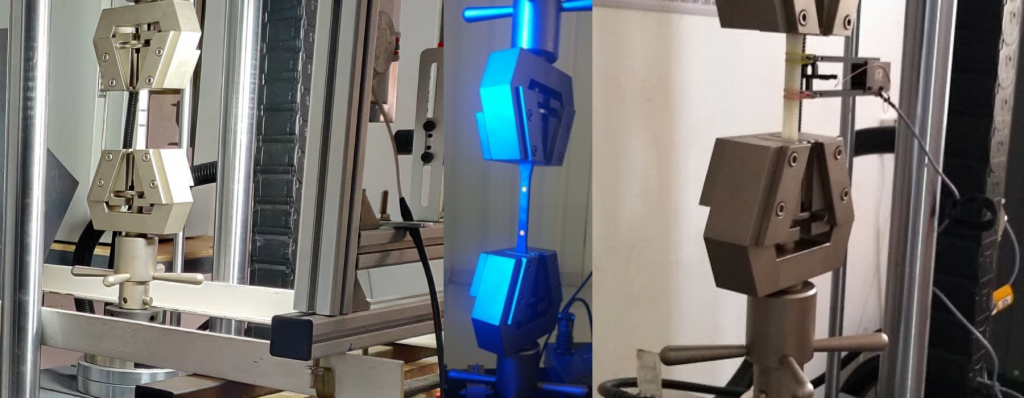
  1. Tensile testing: This involves stretching the material until it breaks, and measuring the amount of force required to break it. Tensile testing can provide information on the material’s strength and stiffness. Tensile testing can be carried out by including cyclic effects, suitable pre-conditioning and multiple test steps.
Figure 4: Mechanical tensile testing
  1. Rheological testing: This involves subjecting the material to shear stress and measuring its response. Rheological testing can provide information on the material’s viscosity and shear modulus.
Figure 5: Melt flow index testing

Overall, these tests help to determine the viscoelastic behavior of materials, which is important in a wide range of applications, from materials science and engineering to medicine and biology.

AdvanSES is an ISO 17025:2017 accredited independent material testing laboratory. Give us a quick call to help us more on your requirements and how we can satisfy them to the best of our abilities.